
Matching Without Looking Identical: How Couples and Families Can Share a Style Without Losing Individuality

dental accessories identical matchingClothing and accessories can play a meaningful role in how people express identity. Research published in Frontiers in Psychology describes clothing as closely connected to the way people communicate mood, attitude, and aspects of the self. That helps explain why couples, siblings, and families may enjoy dressing with a shared visual connection while still wanting each person’s taste to remain easy to recognize.

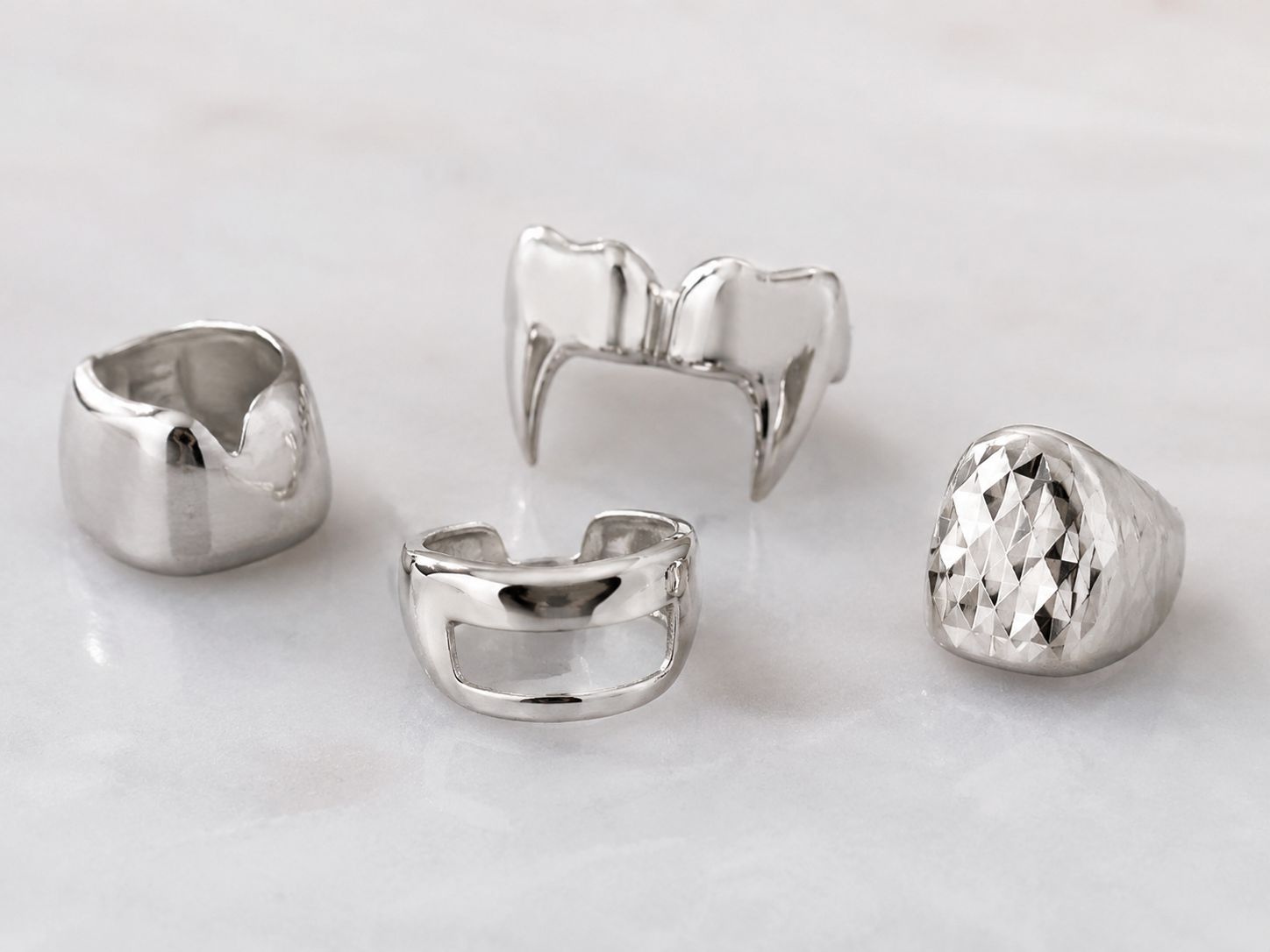
The same idea can apply to less conventional accessories. A shared material, for example, can create a visual link without requiring identical designs. dental sterling silver shows how that approach can work in practice. Rhino Grillz lists .925 silver pieces in different forms, including single caps, open-face styles, multi-tooth sets, fang designs, and diamond-cut finishes. The material stays consistent, while the shape and level of detail can change from one wearer to another.

When Does Identical Matching Make Sense?

Wearing the same accessory can create the clearest possible connection. Two people might choose identical rings, bracelets, shoes, watches, or other pieces because they want the relationship between their looks to be obvious. For family photographs, celebrations, themed events, or special occasions, exact matching can make a group appear visually unified.

There is also a practical advantage. Identical items remove much of the decision-making. Everyone starts with the same design, so there is little need to compare finishes, shapes, or styling details. For people who genuinely like the same aesthetic, this can be simple and effective.

Identical Pieces Can Unite a Look, but They Can Also Flatten It

The drawback is that exact matching leaves less room for individual taste. Fashion research has long treated clothing as a tool for self-expression. A 2022 paper published in Technology in Society notes that clothing can help construct and communicate identity. If two people have very different preferences, making every accessory identical may weaken that personal element.

One partner may prefer understated pieces, while the other likes stronger shapes. Siblings may share a favorite color but disagree on whether an accessory should look classic, playful, or dramatic. Parents and children may also want a shared theme without looking as though everyone is wearing a uniform. In those situations, coordination can offer more flexibility than duplication.

What Changes When the Material Matches Instead?

Choosing the same material is one of the easiest ways to coordinate without copying. Silver earrings can sit beside a silver watch. A simple chain can work with a more detailed pendant. The shared metal creates consistency, while the designs still reflect different personalities.

Sterling silver also has a defined material standard. The Federal Trade Commission explains that products described as “sterling” or “sterling silver” contain 92.5% pure silver and may be marked 925, meaning 925 parts per thousand are silver. The remaining portion is made from other metals. This common composition gives wearers a shared material reference even when the finished pieces look very different.

One Metal Can Support Very Different Looks

The range offered by Rhino Grillz illustrates this clearly. Its current .925 collection includes single-tooth caps for a minimal look, open-face designs that leave part of the tooth visible, and multi-tooth pieces that create a broader effect. The collection also includes canine and vampire-inspired fangs, along with diamond-cut and textured options.

That variety changes the meaning of “matching.” A couple could choose the same silver base while one person wears a simple cap and the other chooses an open-face design. Siblings could select different tooth positions or different levels of detail. Family members who enjoy a stronger fashion statement could share the same metal while choosing distinct shapes.

Why Small Differences Still Matter

Coordinated styling works best when there is at least one clear point of connection. That might be material, color, finish, motif, or placement. Even coordinated outfits can rely on a few shared details rather than identical pieces. A common silver tone, for example, may be enough to make separate accessories feel related while allowing each person to maintain an individual look.

This approach also makes it easier to respect different comfort levels. One person may enjoy an obvious statement piece. Another may prefer something subtle. A third may want the shared element to appear in a completely different accessory category. The connection is still present, but nobody has to abandon a personal preference to maintain it.

A Shared Style Does Not Need a Uniform

Matching and individuality do not have to compete. Exact matching can be useful when the goal is a strong, immediate visual connection. Coordinated styling is often better when people want more freedom. It keeps one or two shared elements while allowing the rest of the look to reflect each wearer.

For couples and families, that balance can make shared fashion feel more natural. A common material such as .925 silver can act as the thread that ties several looks together, while differences in shape, finish, placement, and scale keep each person recognizable. The strongest shared style may be the one that shows connection without asking everyone to look the same.
Uniting Families through Sustainable Fashion

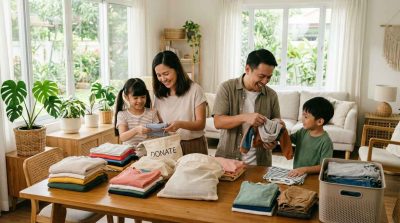
A family organizing and sharing clothes in a bright home, neatly folded garments, reusable clothing bags, children and parents working togetherPeople’s fashion often is considered as an expression of their personality, but what people wear can also affect the environment. As more people become interested in sustainable fashion, they encourage families to consider the choices they make in their clothing purchasing, use, maintenance, and disposal. Adopting responsible clothing habits doesn’t mean no personal style with the family. Rather, it can be a chance to think about choices and educate the younger family members on how to minimize waste and conserve resources.
Proper Ways to Wear Clothes Well

Check these out:

Washing and Using Clothes More than One Time

Kids outgrow clothing long before garments are worn out. Families may choose to pass these items on to younger siblings, relatives or other children who can benefit from the items being used. Adults are also able to wash clothes with family or friends. Sharing prolongs the life of clothing and prevents the use of materials in landfills.

Making Sustainable Living a Family Lifestyle

Here’s how:

Understand the Way of Teaching Children through Daily Activities

Organizing clothes for donation, mending little tears or caring for clothes can be simple ways of bringing environmental responsibility into practice.

One of the easiest ways to sustainable fashion is to take care of your clothing.

Building Meaningful Connections

Sustainability can go beyond environmental activities. Through our everyday actions and shared values, we can employ sustainable choices. A wardrobe clearance activity can be implemented by families to reduce waste as well as spending time with families.

Conclusion

Simple things like thoughtful purchasing, re-use of clothes, sharing clothes, and good care of the clothes already in the house can help make a difference. These habits, if applied together, can help families to lessen their waste and make a positive impact on the younger generation’s attitude towards fashion.

What Ancient Sandal Silhouettes Reveal About Today’s Family Fashion Choices

barefoot sandals for the family

Footwear can affect how children walk and how their feet move. Narrow toe shapes, raised heels, stiff soles, and added structure may limit natural movement inside the shoe. For children, fit matters because their feet are still growing. The American Podiatric Medical Association advises parents to measure their children’s feet and choose shoes that fit comfortably from the start.

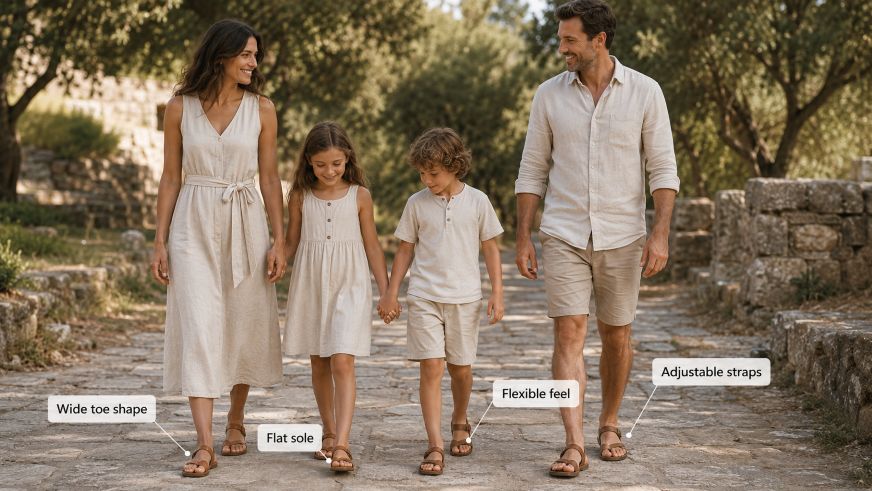
That concern helps explain renewed interest in simple sandal designs that take cues from older footwear. Styles such as Barefoot “Biblical-style” sandals (סנדלי תנכיות ברפוט) use the familiar idea of a flat sole held to the foot with a small number of straps. The look feels ancient, but its appeal today is practical and visual. A simple silhouette can work for different ages while leaving room for natural foot shape and movement.

What Did Ancient Sandals Actually Look Like?

Surviving sandals show that simple footwear is far from a modern invention. The British Museum holds ancient Egyptian examples made from reed, palm leaf, papyrus, and leather. Some have toe and ankle straps, while others use a thin sole shaped around the foot. The Metropolitan Museum of Art also records children’s sandals from New Kingdom Egypt made from leather and plant fibers.

These objects came from different periods and purposes, so today’s “Biblical-style” label is not an exact archaeological category. Still, the broad silhouette is recognizable. The foot sits on a flat base, the upper is open, and straps keep the sandal in place. That simplicity continues to influence modern summer footwear.

Why Does the Shape Matter for Families?

A family’s shoe needs vary by age and routine. Toddlers are learning balance. School-age children need footwear for active days. Adults may want something comfortable for walking that also works with everyday clothes. A sandal with fewer rigid parts can meet some of those needs when the fit and sole suit the wearer and activity.

Research supports paying attention to flexibility and shape rather than appearance alone. A 2023 systematic scoping review published in Healthcare examined 19 studies on children’s footwear. The authors found that shoe flexibility and sole hardness can affect gait and foot movement. They also noted that light, wide, flexible minimalist designs may reduce some differences between barefoot and shod movement, although more research is needed.

What Changes When Footwear Becomes More Minimal?

Minimal footwear usually removes features such as thick cushioning, large heel-to-toe height differences, and strong arch support. That does not automatically make every minimal shoe healthier. Fit, walking surface, activity level, age, and individual foot needs still matter.

A 2021 study published in Scientific Reports found that six months of normal daily activity in minimal footwear increased foot strength in healthy adults. The researchers did not argue that one shoe type suits everyone. Their findings simply suggest that footwear allowing the foot to work more actively can influence muscle function.

For young children, the American Academy of Pediatrics takes a practical approach. Its HealthyChildren guidance says first outdoor shoes should be comfortable, flexible, nonslip, and roomy enough for growth. It also notes that average children do not need special wedges, arch inserts, reinforced heels, or similar shaping features to learn to walk.

How Does an Ancient-Looking Sandal Fit Modern Family Style?

The attraction is partly visual. A plain leather or neutral sandal can work with dresses, shorts, linen clothing, jeans, and simple children’s outfits. Families who enjoy a coordinated family style can also choose sandals with similar shapes or materials across different sizes. This creates a shared look without requiring everyone to wear exactly the same shoes.

There is also a practical side. Open sandals make it easier to see whether toes are being crowded, while adjustable straps can help with small differences in foot volume. However, open footwear gives less protection from rough ground, sharp objects, or cold weather. Families still need closed shoes for many activities.

What Should Families Look for Before Buying?

Ancient inspiration matters only when the modern shoe fits well. The American Podiatric Medical Association recommends measuring both feet, buying for the larger foot, and checking regularly because children’s sizes can change quickly. Guidance from Dorset HealthCare University NHS Foundation Trust also advises leaving about a thumb’s width of space beyond the longest toe and making sure the shoe matches the foot’s width.

  • Choose a toe area that does not squeeze the toes.
  • Check that the straps hold the foot without rubbing.
  • Look for enough flexibility for comfortable movement.
  • Match sole thickness and grip to the activity.
  • Recheck children’s fit often as their feet grow.

Ancient sandal silhouettes remain relevant because they show how little footwear may need to do at its most basic: protect the sole and stay attached to the foot. Modern families have better materials, sizing knowledge, and more choices. The useful lesson is not to copy the past exactly. It is to choose footwear that respects foot shape, suits daily life, and feels comfortable for each person wearing it.

Creating Outdoor Spaces That Encourage More Family Time at Home

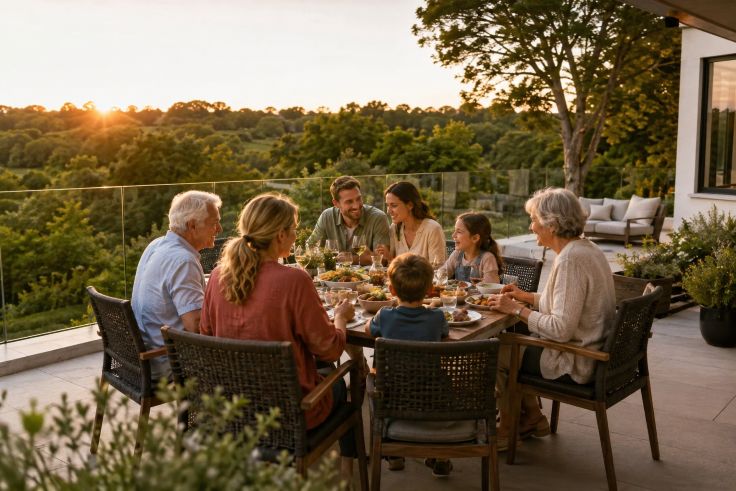
Sunset Family Dinner on a Glass Terrace

Family relationships are an important part of personal well-being. The Office for National Statistics found that 45.5% of adults in Great Britain identified family members and their welfare as a major influence on their well-being. Yet creating time together can be difficult when work, screens, household duties and different routines pull people in separate directions.

A thoughtfully designed garden, patio or raised terrace can provide a natural meeting place without requiring families to leave home. Features such as comfortable seating, shelter and Luxury Screens Glass Balustrades may help turn an overlooked outdoor area into a more practical extension of daily living. However, design alone cannot produce stronger relationships. It can simply remove some of the barriers that make shared time less convenient.

The Case for a Shared Outdoor Space

Outdoor areas can support many forms of family interaction. Parents may drink coffee while children play, relatives can share meals, and teenagers can use the space for reading or conversation. These activities are ordinary, but their informality is valuable. Family members do not need to plan an elaborate trip before spending time together.

Evidence from the Office for National Statistics illustrates the social role of outdoor settings. During 2020, the proportion of surveyed adults who reported spending more time connecting with family and friends outdoors rose from 11% in May to 22% in July. Although that period was unusual, the findings show how gardens and other open spaces can become social settings when people are encouraged to use them.

There is also a practical advantage. A usable garden gives a household another place to gather during warmer weather without adding an enclosed room. Meals, games and quiet conversations can move outside, reducing pressure on busy kitchens and living rooms. For families with limited indoor space, even a modest terrace can feel meaningful when its layout supports several activities.

Why Attractive Design Is Not Enough

The opposing view deserves attention. A visually impressive garden may still remain empty if it is uncomfortable, difficult to reach or costly to maintain. Perfect lawns, delicate furniture and elaborate planting schemes can create additional work. Families may become reluctant to use a space if they feel every activity could damage its carefully arranged appearance.

Weather is another constraint. Strong sunlight, wind and frequent rain can make a beautiful patio impractical for much of the year. Shelter, shade and suitable drainage may therefore matter more than decorative features. Lighting also affects whether the area remains useful after sunset, especially during autumn and winter.

Accessibility should be considered from the beginning. The UK Government’s Approved Document M promotes convenient access and step-free relationships between key areas of a home. While individual projects have different regulatory requirements, the broader design principle is relevant outdoors: routes should be simple, stable and usable by people with different levels of mobility.

Balancing Safety With an Open Outlook

Safety becomes particularly important on decks, balconies and raised terraces. Families with young children or older relatives need clear boundaries around changes in level. At the same time, heavy barriers can interrupt sightlines, block natural views and make a compact area appear more enclosed.

Glass guarding offers one possible compromise. Transparent panels can preserve views across a garden while establishing a physical boundary around an elevated edge. They may also allow adults to see children in another part of the outdoor area. This visibility is helpful, although it should never replace active supervision.

Specification and installation require professional attention. The UK Government’s Approved Document K provides guidance on protection from falls, impact with glazing and guarding around buildings. Requirements vary with location and project type, so homeowners should obtain advice on suitable glass, fixings, height, structural loading and local approval before work begins.

A Practical Middle Ground

The strongest approach combines appearance, comfort and everyday usefulness. Instead of designing around a single dramatic feature, households can consider how the space will function on an ordinary weekday and how it might support shared spaces across generations. A dining table may encourage shared meals, while movable chairs allow conversation groups to change. A clear area can accommodate children’s games without dominating the whole garden.

Low-maintenance planting, durable surfaces and storage for cushions or toys can reduce the effort required before anyone sits down. Shade can make midday use more comfortable, while warm, carefully positioned lighting can support evening meals without making the garden feel harsh. Where levels change, secure guarding and visible step edges deserve priority.

Outdoor design should ultimately reflect the habits of the people who live there. A household that enjoys cooking may value an eating area, while another might prefer quiet seating surrounded by plants. Glass balustrading can be a useful part of that plan when an open view and fall protection are both important, but it is one element within a broader design.

Looking Beyond the Finished Garden

A successful outdoor space is not measured by how polished it looks when empty. Its real value appears when family members choose to use it repeatedly, comfortably and without ceremony. Good design cannot guarantee more conversation or closeness, but it can make both easier to begin.

The most enduring spaces are likely to be flexible, safe and welcoming across different life stages. By balancing visual appeal with shelter, access, maintenance and practical seating, families can create an outdoor area that adapts as children grow and needs change. The result is less a showpiece than a familiar place where shared time can happen naturally.