
 Clothing and accessories can play a meaningful role in how people express identity. Research published in Frontiers in Psychology describes clothing as closely connected to the way people communicate mood, attitude, and aspects of the self. That helps explain why couples, siblings, and families may enjoy dressing with a shared visual connection while still wanting each person’s taste to remain easy to recognize.
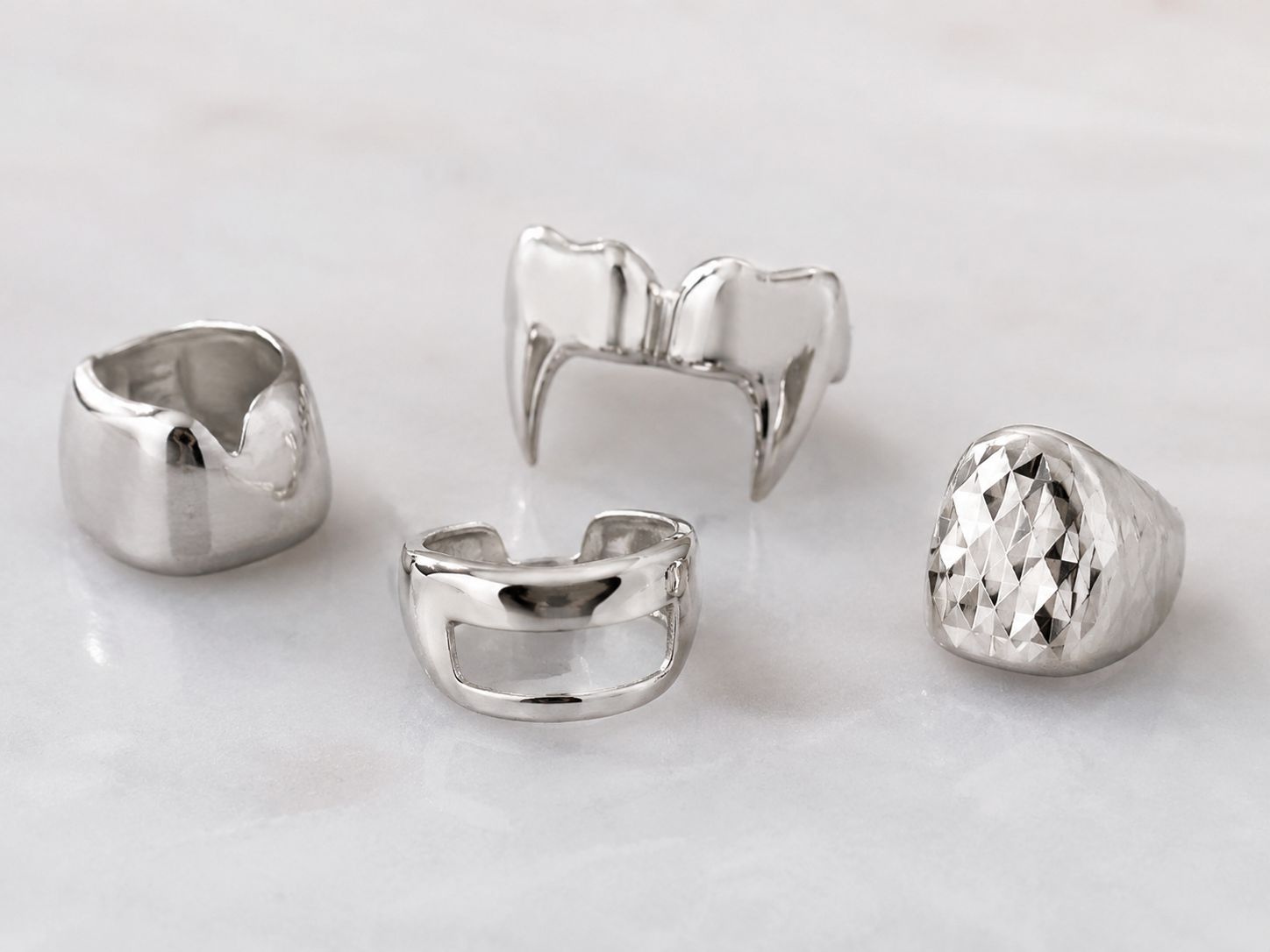
The same idea can apply to less conventional accessories. A shared material, for example, can create a visual link without requiring identical designs. dental sterling silver shows how that approach can work in practice. Rhino Grillz lists .925 silver pieces in different forms, including single caps, open-face styles, multi-tooth sets, fang designs, and diamond-cut finishes. The material stays consistent, while the shape and level of detail can change from one wearer to another.
When Does Identical Matching Make Sense?
Wearing the same accessory can create the clearest possible connection. Two people might choose identical rings, bracelets, shoes, watches, or other pieces because they want the relationship between their looks to be obvious. For family photographs, celebrations, themed events, or special occasions, exact matching can make a group appear visually unified.
There is also a practical advantage. Identical items remove much of the decision-making. Everyone starts with the same design, so there is little need to compare finishes, shapes, or styling details. For people who genuinely like the same aesthetic, this can be simple and effective.
Identical Pieces Can Unite a Look, but They Can Also Flatten It
The drawback is that exact matching leaves less room for individual taste. Fashion research has long treated clothing as a tool for self-expression. A 2022 paper published in Technology in Society notes that clothing can help construct and communicate identity. If two people have very different preferences, making every accessory identical may weaken that personal element.
One partner may prefer understated pieces, while the other likes stronger shapes. Siblings may share a favorite color but disagree on whether an accessory should look classic, playful, or dramatic. Parents and children may also want a shared theme without looking as though everyone is wearing a uniform. In those situations, coordination can offer more flexibility than duplication.
What Changes When the Material Matches Instead?
Choosing the same material is one of the easiest ways to coordinate without copying. Silver earrings can sit beside a silver watch. A simple chain can work with a more detailed pendant. The shared metal creates consistency, while the designs still reflect different personalities.
Sterling silver also has a defined material standard. The Federal Trade Commission explains that products described as “sterling” or “sterling silver” contain 92.5% pure silver and may be marked 925, meaning 925 parts per thousand are silver. The remaining portion is made from other metals. This common composition gives wearers a shared material reference even when the finished pieces look very different.
One Metal Can Support Very Different Looks
The range offered by Rhino Grillz illustrates this clearly. Its current .925 collection includes single-tooth caps for a minimal look, open-face designs that leave part of the tooth visible, and multi-tooth pieces that create a broader effect. The collection also includes canine and vampire-inspired fangs, along with diamond-cut and textured options.
That variety changes the meaning of “matching.” A couple could choose the same silver base while one person wears a simple cap and the other chooses an open-face design. Siblings could select different tooth positions or different levels of detail. Family members who enjoy a stronger fashion statement could share the same metal while choosing distinct shapes.
Why Small Differences Still Matter
Coordinated styling works best when there is at least one clear point of connection. That might be material, color, finish, motif, or placement. Even coordinated outfits can rely on a few shared details rather than identical pieces. A common silver tone, for example, may be enough to make separate accessories feel related while allowing each person to maintain an individual look.
This approach also makes it easier to respect different comfort levels. One person may enjoy an obvious statement piece. Another may prefer something subtle. A third may want the shared element to appear in a completely different accessory category. The connection is still present, but nobody has to abandon a personal preference to maintain it.
A Shared Style Does Not Need a Uniform
Matching and individuality do not have to compete. Exact matching can be useful when the goal is a strong, immediate visual connection. Coordinated styling is often better when people want more freedom. It keeps one or two shared elements while allowing the rest of the look to reflect each wearer.
For couples and families, that balance can make shared fashion feel more natural. A common material such as .925 silver can act as the thread that ties several looks together, while differences in shape, finish, placement, and scale keep each person recognizable. The strongest shared style may be the one that shows connection without asking everyone to look the same.