

Home wellness has become an important consideration for many households as people spend more time balancing work, education, recreation, and relaxation under one roof. Research from the Global Wellness Institute shows that the wellness economy increasingly influences residential design, while experts from the American Institute of Architects report growing demand for homes that support health, comfort, and flexible living.
As families explore different ways to support recovery and healthy daily routines, they often encounter products such as red lightBed while researching home wellness options. Rather than viewing these technologies as necessities, homeowners benefit from understanding how different recovery tools may fit within broader lifestyle goals, available space, privacy needs, and thoughtful interior design.
Why Wellness Spaces Are Becoming Part of Modern Homes
Reports from the American Society of Interior Designers (ASID) indicate that homeowners increasingly prioritize environments that promote physical and mental well-being. Features such as improved natural lighting, dedicated exercise areas, quiet reading corners, and relaxation spaces have become common elements in both new construction and renovation projects.
Families often recognize that healthy routines become easier to maintain when the surrounding environment encourages them. A comfortable area for stretching, mindfulness, or post-exercise recovery can help establish consistent habits without requiring major lifestyle changes.
At the same time, interior designers frequently balance wellness goals with practical considerations. Every room typically serves multiple purposes, particularly in family homes where space is shared among adults and children with different schedules.
1. Shared Wellness Spaces Encourage Family Participation
One perspective favors creating a central wellness area that everyone can enjoy. This approach supports family interaction and makes healthy activities feel like a normal part of daily life.
Research published by the Centers for Disease Control and Prevention (CDC) highlights the value of regular physical activity for individuals of all ages. Shared environments can make it easier for parents and children to develop consistent routines together.
Examples include:
- A flexible exercise corner.
- A stretching and mobility area.
- Comfortable seating for relaxation after physical activity.
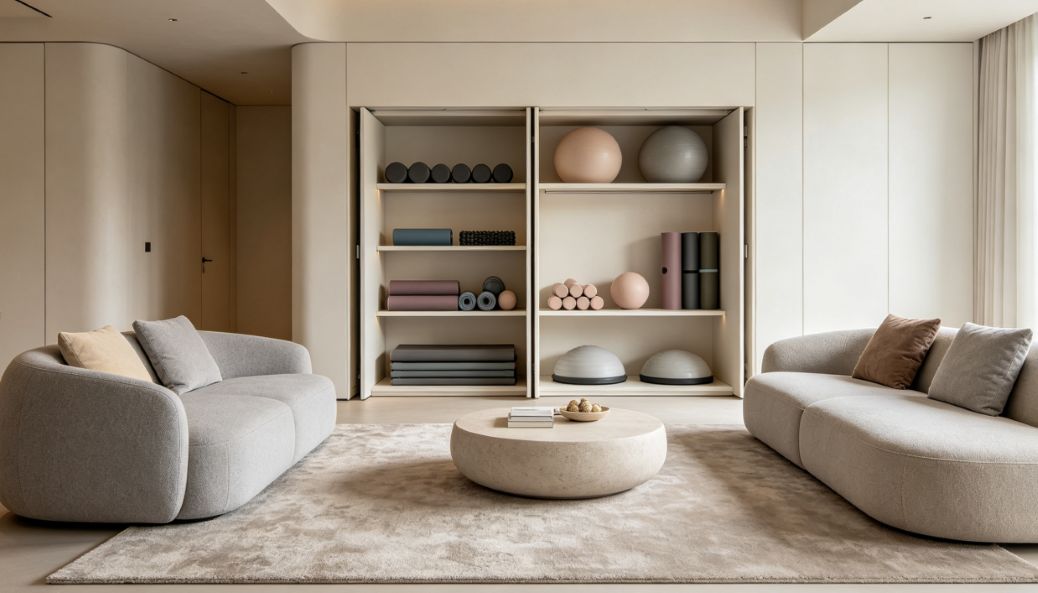
- Storage for yoga mats, foam rollers, and recovery accessories.
When designed carefully, these spaces become functional without dominating the home’s overall appearance.
2. Individual Self-Care Spaces Offer Privacy and Personalization
The opposing viewpoint emphasizes individual wellness rather than shared participation. Every family member has different schedules, comfort levels, and recovery preferences.
Studies published by the American Psychological Association suggest that opportunities for personal quiet time can contribute to stress management and emotional well-being. A private reading nook, meditation room, or recovery corner may provide benefits that differ from a communal wellness area.
This approach allows individuals to customize lighting, music, temperature, and equipment according to their personal preferences without affecting others in the household.
3. Modern Interior Design Requires Balance Between Form and Function
One common challenge involves integrating wellness equipment without disrupting the home’s visual appeal. Interior designers increasingly recommend selecting furnishings and layouts that support everyday use while maintaining a cohesive design.
The American Institute of Architects notes that adaptable spaces remain a growing trend because homeowners expect rooms to perform multiple functions throughout the day.
Instead of dedicating an entire room to wellness, many households incorporate storage solutions, movable furniture, and multi-purpose layouts that allow living spaces to transform when needed.
4. Recovery Equipment Should Complement Everyday Living
Families researching recovery technologies often compare different categories of equipment based on available space, maintenance requirements, intended use, and long-term practicality.
Research published by the National Institutes of Health continues to examine various recovery methods, including heat, cold exposure, compression, massage, and light-based therapies. Scientists generally encourage consumers to evaluate the available evidence carefully because research continues to evolve across many emerging wellness technologies.
Viewing recovery equipment as one component of a broader healthy lifestyle helps maintain realistic expectations. Nutrition, sleep quality, regular physical activity, and stress management remain important foundations of overall wellness.
5. Privacy Matters in Family Wellness Design
Families often discover that privacy plays an important role when creating home wellness areas. Some activities naturally suit shared environments, while others are more comfortable in private settings.
Design considerations may include:
- Sound control for meditation or relaxation.
- Window treatments that maintain privacy.
- Separate storage for personal wellness items.
- Scheduling shared equipment to reduce interruptions.
- Clear household expectations regarding personal space.
These practical measures help ensure that wellness routines remain accessible while respecting the needs of every family member.
6. Aesthetic Choices Can Support Long-Term Habits
Environmental psychology research from the Academy of Neuroscience for Architecture suggests that physical surroundings can influence mood, behavior, and daily habits. Comfortable lighting, calming colors, organized storage, and uncluttered layouts may encourage people to use wellness spaces more consistently. Families can also benefit from incorporating healthy screen-free time together into these environments, helping create opportunities for meaningful conversation and relaxation without constant digital distractions.
Simple design choices often prove more sustainable than highly specialized rooms that receive little regular use. Many families achieve better results by integrating wellness naturally into existing living spaces instead of creating isolated areas that feel disconnected from everyday life.
Practical Tips for Creating Family-Friendly Wellness Spaces
- Choose flexible furniture that adapts to multiple activities.
- Prioritize adequate ventilation and natural lighting whenever possible.
- Store equipment safely when children are present.
- Create routines that accommodate different family schedules.
- Maintain uncluttered spaces to improve accessibility.
- Consider noise levels and privacy requirements.
- Review available scientific evidence before investing in specialized wellness technologies.
Conclusion
Creating wellness spaces at home involves balancing family participation with individual needs. Some households benefit from shared recovery areas that encourage healthy habits together, while others prefer private spaces that support personal relaxation and focused self-care. Both approaches offer advantages depending on available space, household routines, and lifestyle priorities.
As home design continues to evolve, thoughtful planning can help families integrate wellness practices without sacrificing comfort or aesthetics. Evidence from organizations such as the Global Wellness Institute, ASID, NIH, and the CDC suggests that lasting wellness depends less on any single piece of equipment and more on creating environments that consistently support healthy daily habits, informed decision-making, and practical family living.
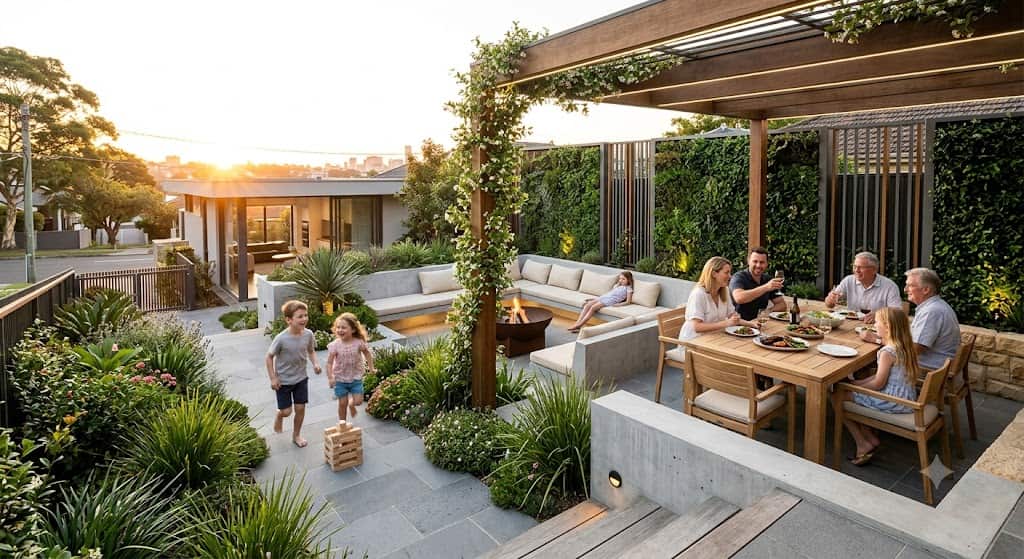


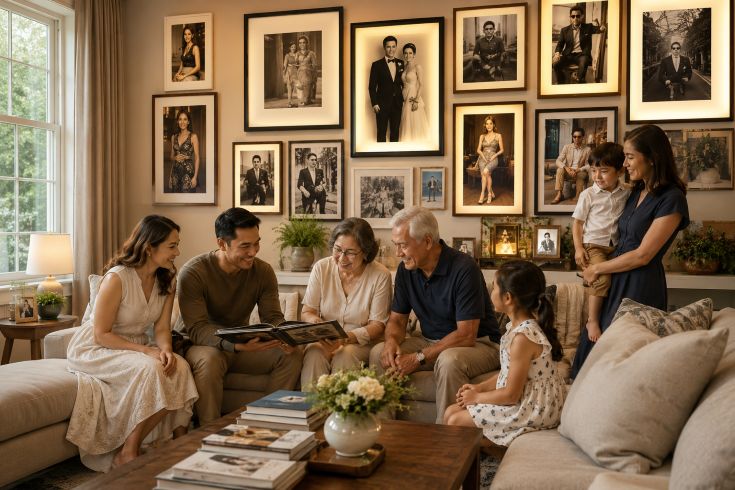
 Families begin to appreciate comfortable fashion trends more as modern parenting is associated with an unpredictable and hectic lifestyle. Breathable materials, relaxed silhouettes, and versatile shoes form the new fashion trends for families. Comfortable outfits ensure convenience and relieve parents from unnecessary stress.


 The cultural, economical, and technological changes are factors that make the modern family maintain its developmental progress. Also, take into account here the personal relations of the individual. In the absence of communication, understanding, and flexibility, those factors are difficult to deal with.
 Replace mindless browsing with collaborative storytelling before bed. Storytime before nightfall, whether it’s a personal tale, a fairy tale, or a “would you rather…” question:
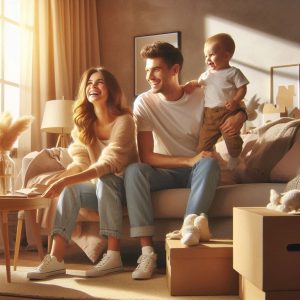 Starting a new chapter in a new home is exciting. It’s not just about walls and furniture. It’s about creating a space where love grows, where family bonds strengthen, and where personal style shines through. Whether you’re moving in with your partner, starting a family, or just settling into your dream new homes grapevine TX, your surroundings should reflect who you are and the people you love.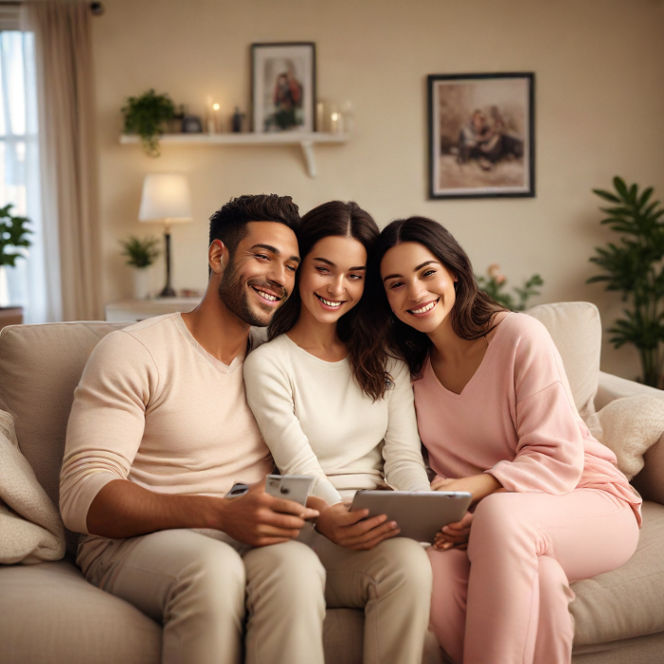
 Instead of matching, coordinate. While it’s wonderful to see people in matching holiday attire in the cards, coordinating your costumes can give your message greater longevity. Select a color scheme consisting of two or three contrasting hues, being sure to include neutrals such as denim, cream, or khaki. To keep patterns from overpowering the photographs, keep them on a smaller scale.
 If you want to pull off the matching outfit trend, the trick is not to appear too identical to each other. A few pointers:
 Next, be kind to your in-laws when you talk to them. Tell them how their acts make you feel, and try to see things from their point of view. They might be used to a different way of living with their family.
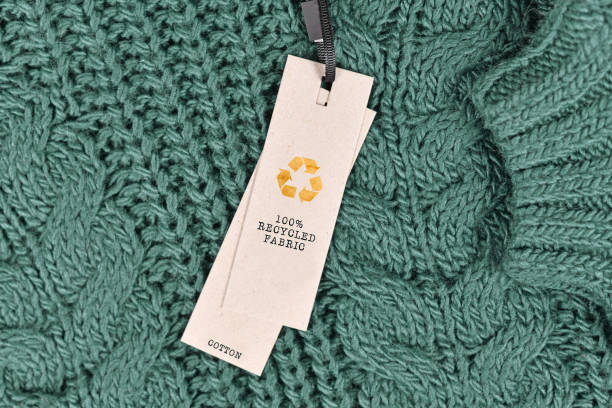




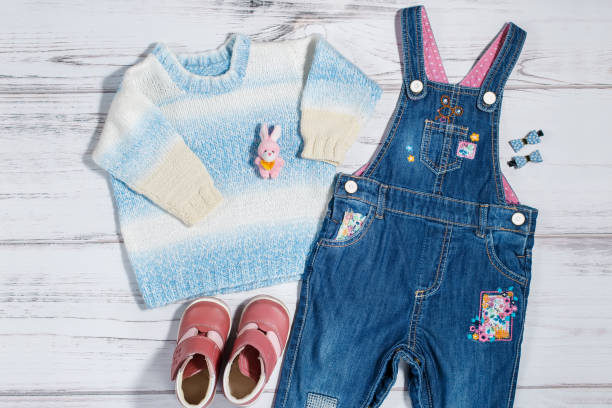


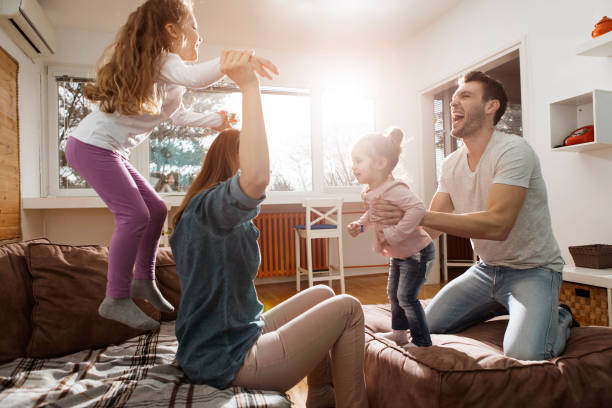

 While fashion shows are popular events that showcase the latest in aesthetic
  The main reasons why LED posters have become a favorite choice among marketers and advertisers are their versatility and sustainability as campaign tools. LED posters can be set up as freestanding digital signages on the ground, or be integrated as interactive displays in workspaces.


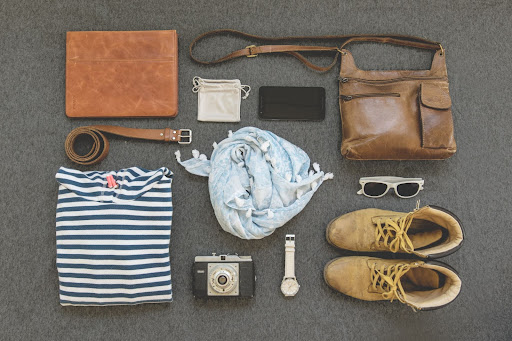



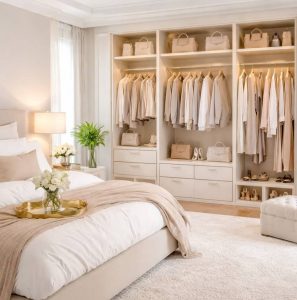 Fashion lovers pay close attention to detail. They care about fabrics, colors, textures, and how each piece is stored. Yet many overlook one important part of protecting their wardrobe: the cleanliness of the bedroom. Clothes may be beautiful, but if the space around them is dusty, cluttered, or damp, their quality won’t last. Regular bedroom deep cleaning services such as those offered by (شركة الماسة لخدمات التنظيف) Almasa Cleaning Services Company, are not just about appearance. They are about preservation, hygiene, and peace of mind.
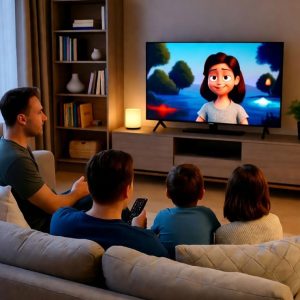 Millions of families enjoy movies online every day. Streaming has become a central part of home entertainment, offering access to hundreds of films and series at the touch of a button. While this convenience is appealing, it is important for families to choose platforms that prioritize safety and security. Safe streaming ensures that devices remain protected, personal information stays private, and family movie nights can be relaxing rather than stressful.
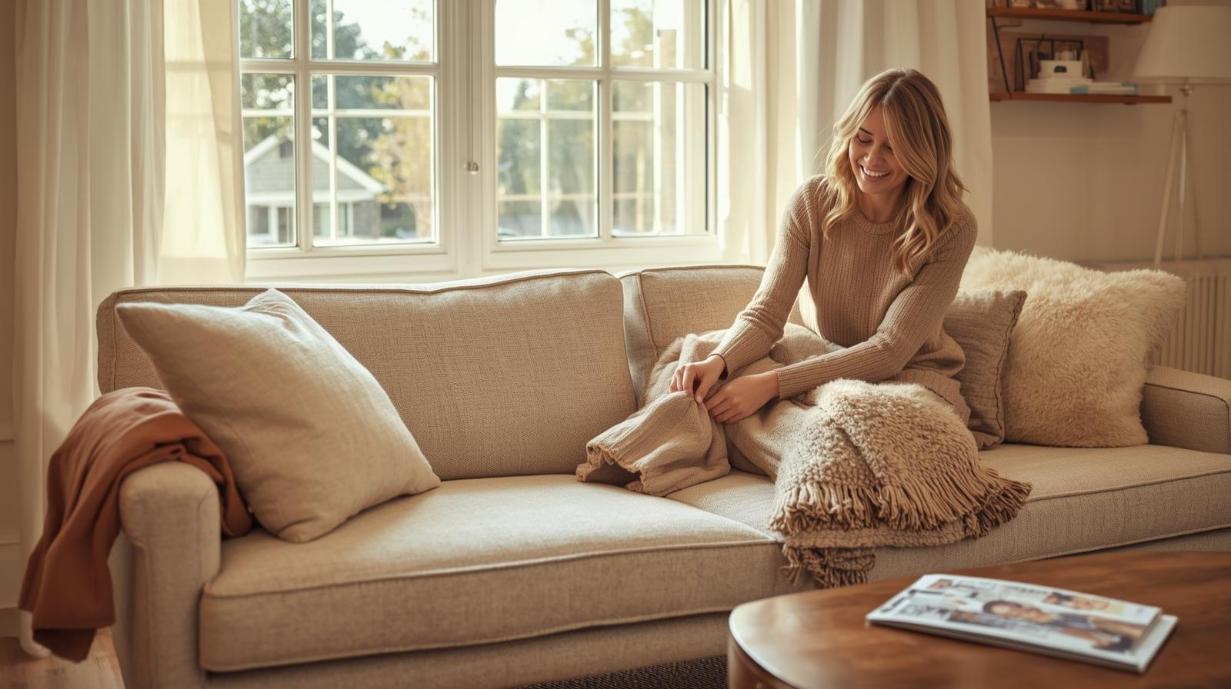
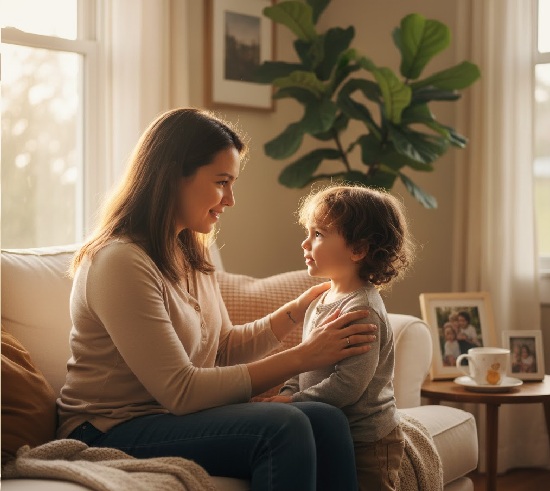

 Worked, not substituted: When you want to look presentable without being too frisky, it is good to pair and match complementary colors, such as navy and pastel pink.